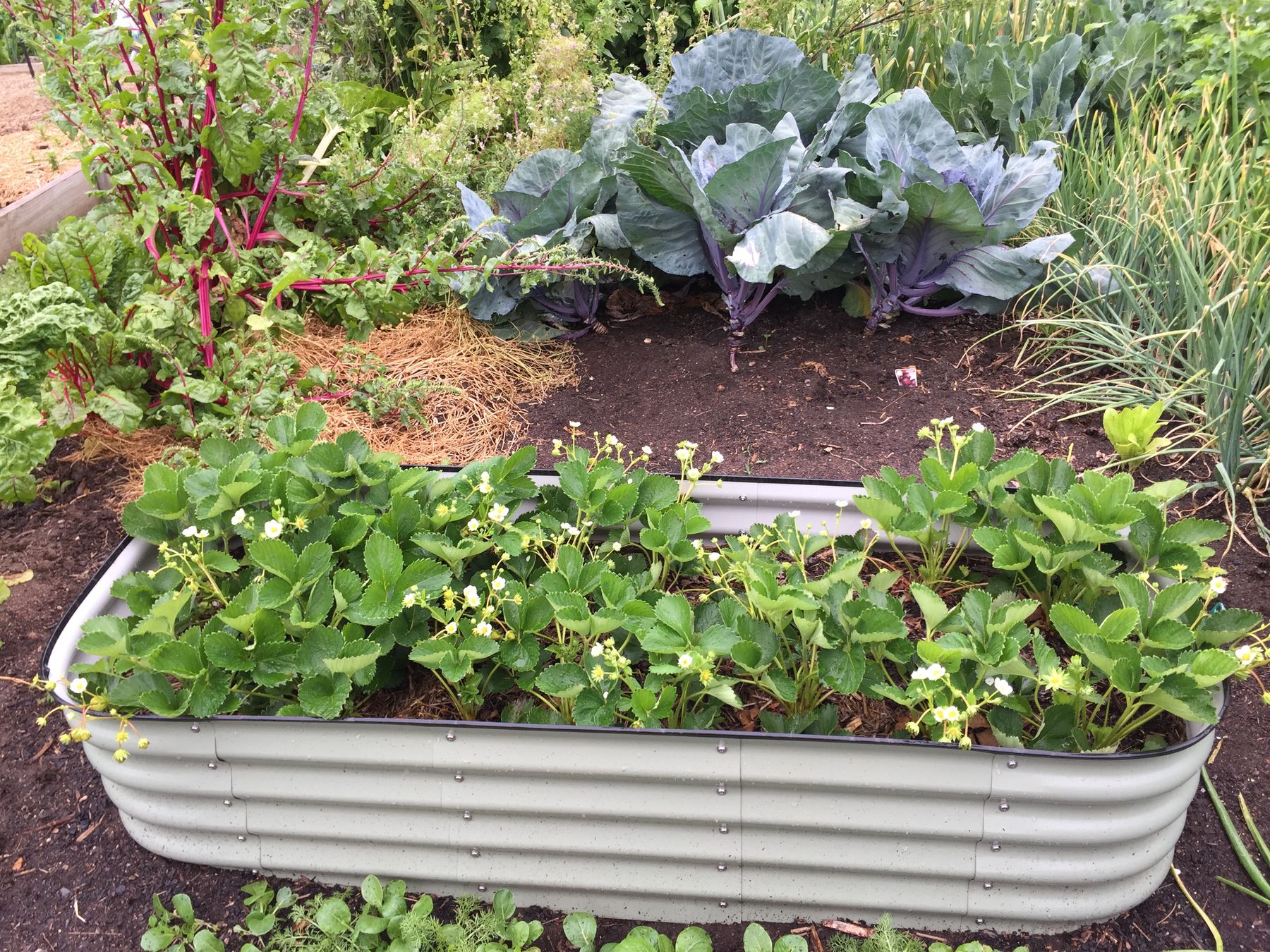
A first vegetable garden does not need to feed a family through winter. It needs to teach you how plants respond to your soil, your sun, and your habits. We recommend treating year one as a paid apprenticeship: pick a small footprint, grow five or six crops you actually eat, and let the harvest — successful or otherwise — shape what you plant next spring.
Decide on raised beds versus in-ground
The first real decision is the bed itself. Both approaches work, but they make different demands of you.
Raised beds are framed boxes, typically 3 to 4 feet wide and 6 to 8 feet long, with soil mounded 10 to 12 inches above the surrounding grade. Cedar is the classic material — a 4×8-foot cedar kit from Greenes Fence runs about $130, while the Yardcraft Cedar Raised Garden Bed at Home Depot sits closer to $190. Composite beds from companies like Vego and Birdies cost $200 to $450 but last 15+ years without warping. Because you fill the bed with fresh soil, you skip the worst problems of heavy clay or compacted fill: a cubic yard of raised-bed mix (60 percent topsoil, 30 percent compost, 10 percent coarse sand) costs $45 to $70 delivered in most metro areas and weighs roughly 900 pounds when damp. Plan on roughly 1 cubic yard per 4×8-foot bed at 10 inches deep.
In-ground plots are cheaper to start but slower to improve. You till or hand-dig the existing soil, remove perennial weeds, and amend with 2 to 3 inches of compost layered on top each year. A 100-square-foot plot needs about 1 cubic yard of compost to amend the top 3 inches, which from a brand like Vigoro or Scotts runs $35 to $55 per cubic yard in bags, or roughly half that bulk. In-ground beds work well if your native soil drains within an hour after rain and you do not have aggressive tree roots competing for moisture.
For most beginners in the first season, raised beds are the forgiving choice. You control the soil, the bed warms earlier in spring, and you can reach across a 4-foot bed without stepping on the planting area.
Pick a spot with the right sun
Vegetables are sun plants. Anything labeled "leafy" tolerates four to six hours of direct light; fruiting crops like tomatoes, peppers, and squash demand eight or more. Before you commit to a location, watch the proposed site for a full day. Mark where shadows fall in the morning, midday, and late afternoon. A patch that looks sunny at 9 a.m. may sit in shade by 1 p.m. once a neighboring oak leafs out.
If your yard is short on direct sun, prioritize leafy crops — lettuce, spinach, arugula, kale, chard, and most herbs — and accept that tomatoes will sulk. East-facing walls work for greens; south-facing exposure in USDA zones 4 through 7 is the gold standard for heat lovers.
Build the soil before you plant
Bagged "garden soil" is rarely enough on its own. A reliable first-year mix for a raised bed is two parts topsoil, one part compost, and one part coconut coir or well-rotted leaf mold. Add a balanced organic granular like Espoma Garden-tone (5-3-3) at the rate listed on the bag — usually 2.5 pounds per 25 square feet — and work it into the top 6 inches before planting.
A soil test costs $20 to $40 through your state cooperative extension office and tells you your actual pH and nutrient levels. Most vegetables prefer a pH between 6.0 and 7.0. If your soil sits below 6.0, dolomitic lime raises pH slowly over two to three months; if it sits above 7.0 in alkaline regions of the West, elemental sulfur brings it down gradually.
Mulch matters even in year one. A 2-inch layer of straw (a 3-cubic-foot bale from a farm supply store covers about 50 square feet at that depth and runs $7 to $12) holds moisture and keeps soil-borne pathogens from splashing onto leaves. Cedar and pine bark mulches are fine around the bed but skip them inside the planting area; they tie up nitrogen as they break down.
Watering without drowning
Most garden failures in the first season trace back to either drought stress or chronic overwatering. Both look the same: yellow leaves, wilting, stalled growth. The fix is consistency.
A typical raised bed in summer needs about 1 to 1.5 inches of water per week, including rainfall. A 4×8-foot bed holds roughly 200 gallons of soil; 1 inch of water across the bed is about 13 gallons. Soaking the bed twice a week to a depth of 6 inches beats a daily light sprinkle, which trains roots to stay near the surface where they cook in mid-summer heat.
Drip irrigation is not a luxury once your bed count climbs past two. A starter kit from Rain Bird or Orbit — a 50-foot roll of 1/2-inch mainline tubing, 25 feet of 1/4-inch drip line, and a pressure regulator — runs $35 to $55 and hooks to a hose-end timer ($25 to $40). The timer waters at 6 a.m. while you sleep, which cuts evaporation and reduces fungal disease on tomato and squash leaves. For one or two beds, a Dramm 17010 watering wand with a 48-inch handle lets you water at the base of plants without bending, and the 9-pattern nozzle is gentle enough not to dislodge seedlings.
The easiest crops for year one
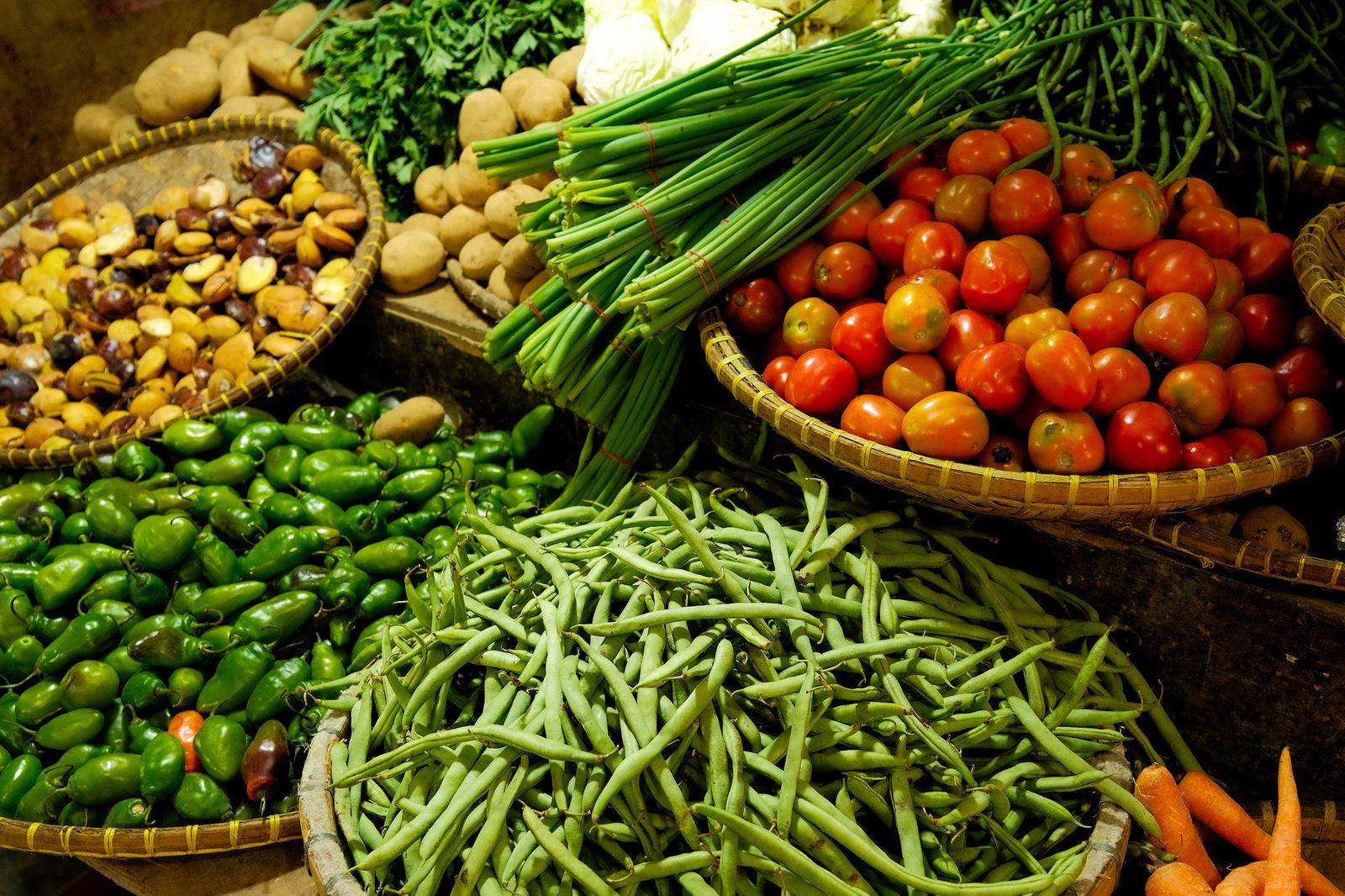
We tell new gardeners to plant what they already buy at the store. If you go through a bag of salad greens a week, plant lettuce. If you cook with herbs daily, plant basil. Here are the crops that consistently reward beginners:
- Lettuce and salad mixes. Direct-sow seeds 1/4 inch deep, 4 inches apart, and begin harvesting outer leaves at 4 weeks. A $3 packet of seed covers 30 square feet.
- Cherry tomatoes. Start with transplants (a 4-pack costs $4 to $8 at most garden centers) of varieties like 'Sungold', 'Super Sweet 100', or 'Black Cherry'. Stake or cage at planting time — a 4-foot tomato cage runs $5 to $12.
- Bush zucchini. One plant feeds a family of four. Direct-sow after soil warms to 65°F. Space plants 3 feet apart; they fill in fast.
- Radishes. Ready in 25 to 30 days from seed. The fastest win in the garden and a great way to teach children how food grows.
- Bush beans. Direct-sow when soil hits 60°F. No trellising required; expect a pound of beans per plant over the season.
- Herbs. Basil, parsley, dill, and chives are forgiving. A single basil plant in a 12-inch pot by the back door gives you a season's worth of pesto.
Avoid melons, cauliflower, and Brussels sprouts in year one. They demand long, consistent conditions and punish mistakes.
Common mistakes we see in first gardens
Overcrowding. Seed packets assume thinning. A carrot seed spaced 1 inch apart produces a usable carrot; the same seed at 1/4 inch apart produces a fist of green tops and no root. Thin seedlings when they have two true leaves.
Planting too early. Soil temperature matters more than calendar date. Cold, wet soil rots bean and squash seeds. A $10 soil thermometer from Fiskars or a local garden center removes the guesswork.
Fertilizing with nitrogen only. Lawn fertilizer (high nitrogen, no phosphorus or potassium) grows lush tomato leaves and no fruit. Use a balanced vegetable fertilizer or one formulated for tomatoes and vegetables.
Ignoring pests. The three you will definitely meet are cabbage worms (treat with Bacillus thuringiensis, $12 per bottle), squash bugs (hand-pick in the morning; eggs are clusters of copper-colored ovals on the underside of leaves), and tomato hornworms (the same hand-picking approach; a single hornworm can defoliate a plant in two days).
Letting weeds go to seed. One crabgrass plant produces 150,000 seeds. Pull weeds before they flower in year one and you save yourself hours later.
A starter shopping list
Here is what a realistic first-year setup looks like in dollars, assuming a single 4×8-foot raised bed:
- Cedar raised bed kit: $130 to $190
- 1 cubic yard raised-bed mix delivered: $55 to $75
- Espoma Garden-tone, 8 lb bag: $14
- 4 tomato transplants and 4 herb transplants: $32
- 3 packets of seed (lettuce, beans, radish): $9
- 3 straw bales for mulch: $25
- Tomato cages, 4-pack: $25
- Dramm watering wand: $30
- Soil thermometer: $10
Total: roughly $330 to $400. The bed pays back the first summer if you grow what you eat.
The bottom line
Start small, pick a sunny spot, build the soil before you plant, water deeply twice a week rather than sprinkling daily, and grow the five or six crops your household already buys. A single 4×8-foot raised bed will teach you more about gardening in one season than any book.