
A working shoe wardrobe is one of the easiest kits to get wrong and one of the most expensive to fix retroactively. Most adults own too many shoes in styles they do not wear, not enough in styles they reach for weekly, and very few that actually fit the realities of their life. We think the answer is a small, deliberate set of eight to ten pairs that cover 95 percent of the shoe scenarios an adult actually encounters — and a clear-eyed assessment of what is missing from your closet right now.
This guide covers the eight to ten pairs we think every adult should own, the brand picks at each price tier, and the math on how to build the kit without overspending. The numbers reflect what you will pay in real checkout from each brand's website.
The shoe mindset
The biggest mistake is buying shoes for a fantasy life — the office you do not work in, the events you do not attend, the social calendar you do not have. The second biggest is buying too many similar pairs: six pairs of sneakers in different colors of the same silhouette, four pairs of black boots, three pairs of "going out" heels.
The honest shoe wardrobe has coverage. That means for each common scenario — work, weekend, evening, weather, formal — you have at least one pair that works. Coverage does not require volume. Eight to ten is enough. Twelve is plenty. Anything more is collecting.
The other rule is to spend on what you wear most. A pair of white sneakers worn 250 days a year at $425 from Common Projects costs $1.70 per wear. The same aesthetic at $90 from Ecco costs $0.36 per wear. Both work. The expensive pair wears longer and looks better as it ages; the affordable pair is replaceable. Pick the tier you can afford and stop second-guessing.
The 8 to 10 pairs
We polled stylists, resale buyers, and reader surveys to settle on a short list that holds across ages, regions, and lifestyles. There is no perfect universal list, but this one comes close.
White leather sneakers. The most versatile shoe in any adult wardrobe. Wear with jeans, chinos, a suit, or a dress. The reference point is the Common Projects Achilles at $425 — minimal, leather, instantly recognizable. The right alternatives are the Ecco Soft 7 at $150, the Adidas Stan Smith at $110, the Oliver Cabell Low 1 at $250, and the COS leather sneaker at $120. Avoid canvas or knit versions for the year-round version. They look tired in winter.
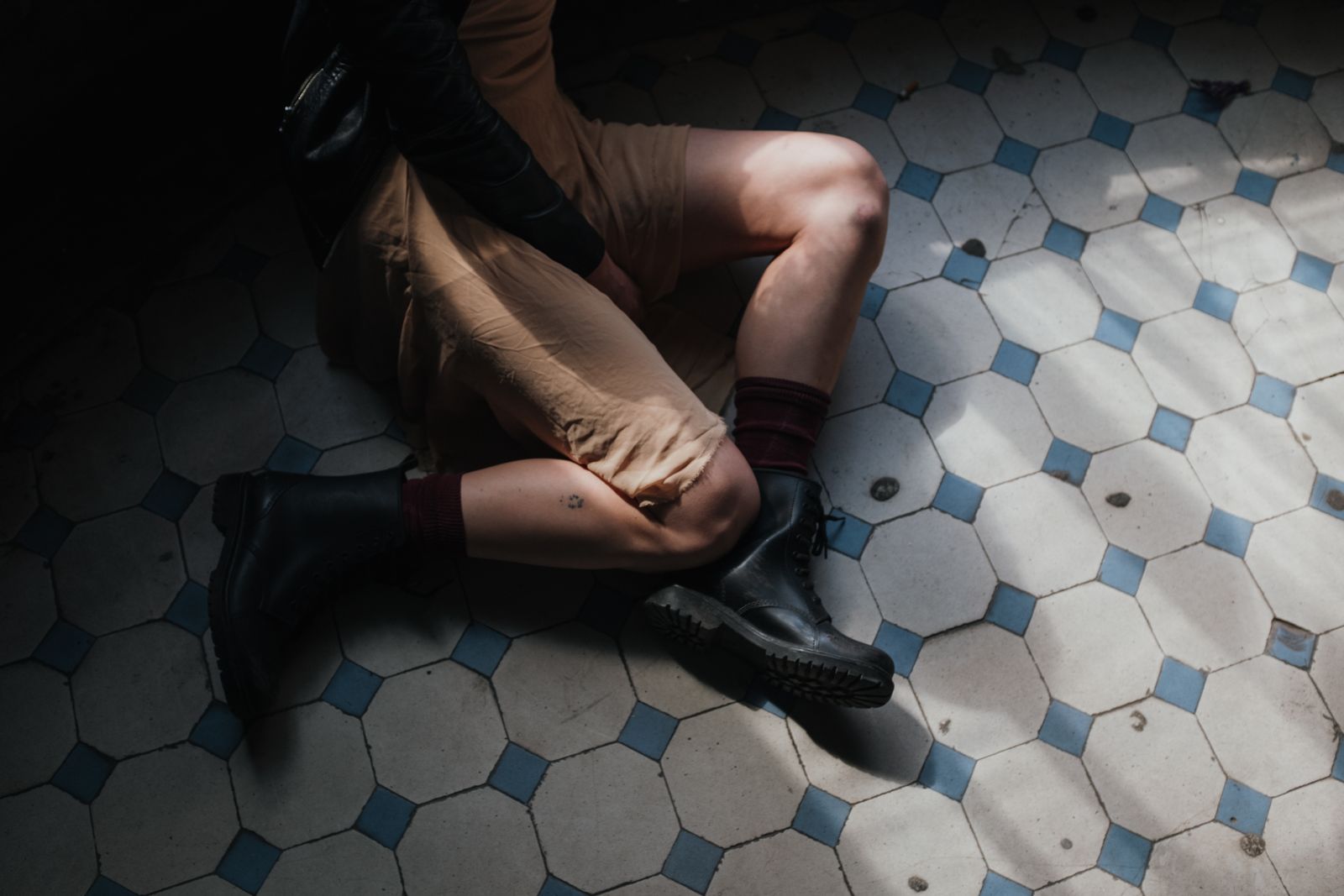
Black leather boots. The Chelsea, the ankle boot, or the combat boot. Black leather, minimal hardware, ankle-height or just above. Wear with everything from jeans to trousers to dresses. The reference point is the Dr. Martens 1460 at $170 (combat, lasts forever), the Blundstone Chelsea at $200, the Steve Madden Troopa at $150, and the A.P.C. Martina at $400. Spend on this pair. They will outlast three cheaper pairs.
A pair of loafers. Penny, tassel, or horsebit. Leather or suede, depending on the season. The reference point is the G.H. Bass Weejuns at $120 (entry), the A.P.C. loafer at $300 (mid), and the Gucci horsebit at $750 (luxury). The Sam Edelman Loraine at $120 and the Madewell Frances at $128 are reliable mid-tier options. Wear with everything except athletic wear.
A pair of heels or dress shoes. For anyone who attends weddings, interviews, or dinners. The reference point is the Sam Edelman Hazel at $130 (mid heel, classic pump), the Aquazzura Soar at $575 (luxury), and the A.P.C. Baby at $300 (low heel, more versatile). For men, the Allen Edmonds Park Avenue at $395 is the dress oxford reference. For lower heels, the Me+Em block heel at $240 and the Margaux at $325 are worth knowing.
A pair of sandals for summer. Leather, flat, and minimal. The reference point is the Birkenstock Arizona at $110 (workhorse), the Arizona Love sandal at $200 to $350 (fashion), and the Ancient Greek Sandals at $190 to $260. Avoid flip-flops for anything except the beach.
A pair of flats. For anyone who walks a lot but wants to look pulled together. The reference point is the Rothy's pointed flat at $98, the Sam Edelman Felicia at $100, and the A.P.C. ballet at $79. Rothy's are washable and last well, though the look is polarizing.
A pair of running or training shoes. The Nike Pegasus at $140, the Adidas Ultraboost at $190, the Brooks Ghost at $140, or the Asics Gel-Nimbus at $160. Replace every 300 to 500 miles. This pair is a tool, not an accessory.
A pair of weather-specific boots. For snow, the Sorel Joan of Arctic at $200 or the L.L.Bean Boot at $165. For rain, the Hunter Original at $150 or the Sperry Saltwater at $120. For mud and outdoor work, a pair of Blundstones or Merrell Moab at $135. The right pick depends on climate.
That is eight pairs. Add a hiking shoe (Merrell Moab at $135 or Salomon X Ultra at $140) if you hike, a cycling shoe if you cycle, a court shoe or low-profile sneaker (Veja Esplar at $150, Reebok Club C at $90) for variety, or a Chelsea rain boot (Hunter Refined at $135) for wet climates. Stop there.
The brand tiers at each category
Five brands have earned a place in the kit. There are many others, but these are the ones we have seen hold up.
Common Projects is the gold standard for white leather sneakers. The Achilles at $425 is the reference. The forum and tennis silhouettes at $475 expand the range. Sizing runs large — order a half size down. The brand offers custom monogramming.
Everlane is the right choice for accessible leather flats and shoes. The Day Glove at $140, the Editor loafer at $170, and the Court sneaker at $120 are the working picks. The aesthetic is minimal, the prices are honest, the quality is solid for the tier. Run sales frequently.
Rothy's is the right choice for washable flats. The pointed flat at $98, the round toe at $120, and the loafer at $140 are the recognizable pieces. Made from recycled plastic bottles. The look is polarizing but the practicality is real. Sizing is consistent.
Sam Edelman is the right choice for affordable heels and fashion shoes. The Hazel pump at $130, the Loraine loafer at $120, and the Yaro ankle boot at $160 are the working picks. The brand runs sales constantly. Quality is solid for the price.
Dr. Martens is the right choice for boots that last. The 1460 at $170 is the classic. The 2976 Chelsea at $190 and the Jadon platform at $180 expand the range. Buy on the snug side — they break in.
Add Birkenstock (Arizona at $110), Madewell (Frances loafer at $128, Reggie sneaker at $119), and A.P.C. (Bastien at $300) to the list. For luxury, consider The Row, Bottega Veneta, and Hermès at the $600+ range. The quality is real but the value is harder to defend.
How to build the kit over time
The mistake is to attempt the whole kit in one month. The kit is something you build over a year or two, replacing pairs as you wear them out.
Start with the white sneakers and the black boots. These are the two pairs you will wear six or seven days a week. $300 to $600 buys both from any of the brands above. Live with them for two months before buying anything else.
Add the loafers and the flats in month three or four. These are the workhorses for the days you do not want to wear sneakers or boots. $250 to $450 buys both pairs from Everlane, Sam Edelman, Madewell, or Rothy's.
Add a pair of heels and a pair of sandals in month five or six. These are the seasonal and occasion pieces. $250 to $450 buys both pairs. Buy the sandals in spring, the heels in fall.
Add the running shoes and the weather boots last. These are the technical and seasonal pieces, and you should not buy them until you know you need them. $300 to $500 covers both.
Care and maintenance
Shoes last twice as long with reasonable care. Rotate between at least two pairs of daily-wear shoes to let each one dry fully between wears. Use shoe trees in leather shoes overnight — they absorb moisture and hold shape. Polish leather every few months with a cream polish in a matching color. Resole leather shoes when the heel wears down, not when the upper breaks. A $75 resole on a $400 pair of Common Projects is good economics; a $75 resole on a $90 pair is not.
Common mistakes
Buying similar pairs. Two pairs of Chelsea boots and zero pairs of loafers is a kit that does not work. Audit your current shoe closet, identify what you actually wear, and buy what is missing.
Buying fashion over function. A $650 pair of Bottega Veneta pumps is not 10 times better than a $130 Sam Edelman. It is 5 times better and 5 times the cost. Pick the tier that matches your wardrobe.
Skipping the resole. A pair of Allen Edmonds, Red Wing, or Common Projects will last 10+ years if you resole them every two to three years. The resale value depends on this.
Storing shoes poorly. Tossed in a pile, in plastic bags, in direct sunlight — all of it degrades the leather and the shape. A simple shelf with room for each pair is enough.
Wearing the wrong shoe for the activity. White leather sneakers at a wedding is wrong. Heels to walk 10 blocks is wrong. Running shoes for a job interview is wrong. Match the shoe to the scenario.
The bottom line
A working shoe wardrobe is eight to ten pairs that cover the actual scenarios you encounter, from Common Projects and Dr. Martens at the top tier to Everlane, Madewell, and Sam Edelman at the mid-tier and Birkenstock and Rothy's at the entry. Spend on the pairs you wear most, save on the pairs you wear occasionally, and resole the leather shoes you can. The point of the kit is to stop owning shoes you do not actually wear and to start owning the ones you should.