
The average person owns eight makeup brushes and uses two of them. We have watched dozens of beauty counters, and the same pattern repeats: a $200 set stacked in a jar, a $12 Real Techniques brush buried under the lid doing all the work, and a faded synthetic triangle in the back nobody has touched since it came in a gift-with-purchase kit.
Brushes matter more than most people think, but not for the reason the beauty industry claims. A good brush deposits product evenly, blends edges so no one can see where foundation ends and skin begins, and keeps cream formulas from streaking on dry patches. A bad brush sops up product, drags pigment, and leaves a finish that no high-end formula can rescue.
This guide is a working framework — what to buy, what to skip, what each shape actually does, and how to keep the set you build clean enough to put on your face without thinking twice.
Natural versus synthetic fibers
The fiber question is not a moral one. It is a formula question.
Natural hair (goat, pony, squirrel, sable) has a cuticle that grabs powder pigment and releases it gradually onto skin. The result is a softer, more diffused application. Sable and squirrel are the softest; goat is firmer and more responsive; pony sits in the middle. Natural fibers are the right pick for powder products — bronzer, blush, setting powder, eyeshadow — because they pick up less pigment than synthetics and blend it more forgivingly.
Synthetic fibers (taklon, nylon, polyester) have a smooth surface with no cuticle. They do not absorb oils, which makes them the right pick for cream and liquid formulas — foundation, concealer, cream blush, lip products, gel liner. Synthetics are also easier to clean, more durable, and cruelty-free by default. Quality synthetics from brands like BK Beauty, EcoTools, and Real Techniques have closed the gap with natural hair on softness, and they outlast natural brushes when cleaned weekly.
The cross-over mistake we see constantly: using a natural fiber brush for foundation. The brush absorbs half the product, frays within months because it is not designed for wet formulas, and applies the rest unevenly. Keep natural fibers for powders, synthetics for creams and liquids. This one rule eliminates about a third of the brush confusion on the market.
The seven brushes that cover most of makeup
You do not need twenty brushes. You need seven. These are the ones professional makeup artists reach for, with substitutes clearly marked.
A dense flat-top foundation brush (Real Techniques Expert Face Brush, $9; or the BK Beauty 101, $38) for buffing liquid or cream foundation. The flat top pushes product into skin rather than streaking it across the surface. For sheer or serum foundations, swap to a stippling brush like the $20 IT Cosmetics Heavenly Luxe.
A fluffy tapered powder brush (Real Techniques Setting Brush, $9; or the $46 Sephora Collection Pro) for setting powder, bronzer, and a diffused blush. The taper matters — a flat powder brush deposits too much in one spot.
An angled cheek brush (the small angled brushes in any set, $8–$14) for cream or powder blush along the apple of the cheek. Angled bristles follow the cheekbone without the muddy edge a round brush leaves.
A fluffy blending eyeshadow brush ($10–$16 at most brands) — the dome-shaped, loosely packed one with no defined edge. This is the brush that does most of the eye work. A second, smaller tapered brush ($10–$15) for the crease and outer corner handles depth and definition.
A flat shader brush ($8–$12) packs color onto the lid. For shimmers, a flat synthetic shader deposits pigment with less fallout than a natural brush.
A precision concealer brush ($10 at most brands) — a small, flat synthetic that taps concealer under the eye or around blemishes without dragging the formula off the skin beneath.
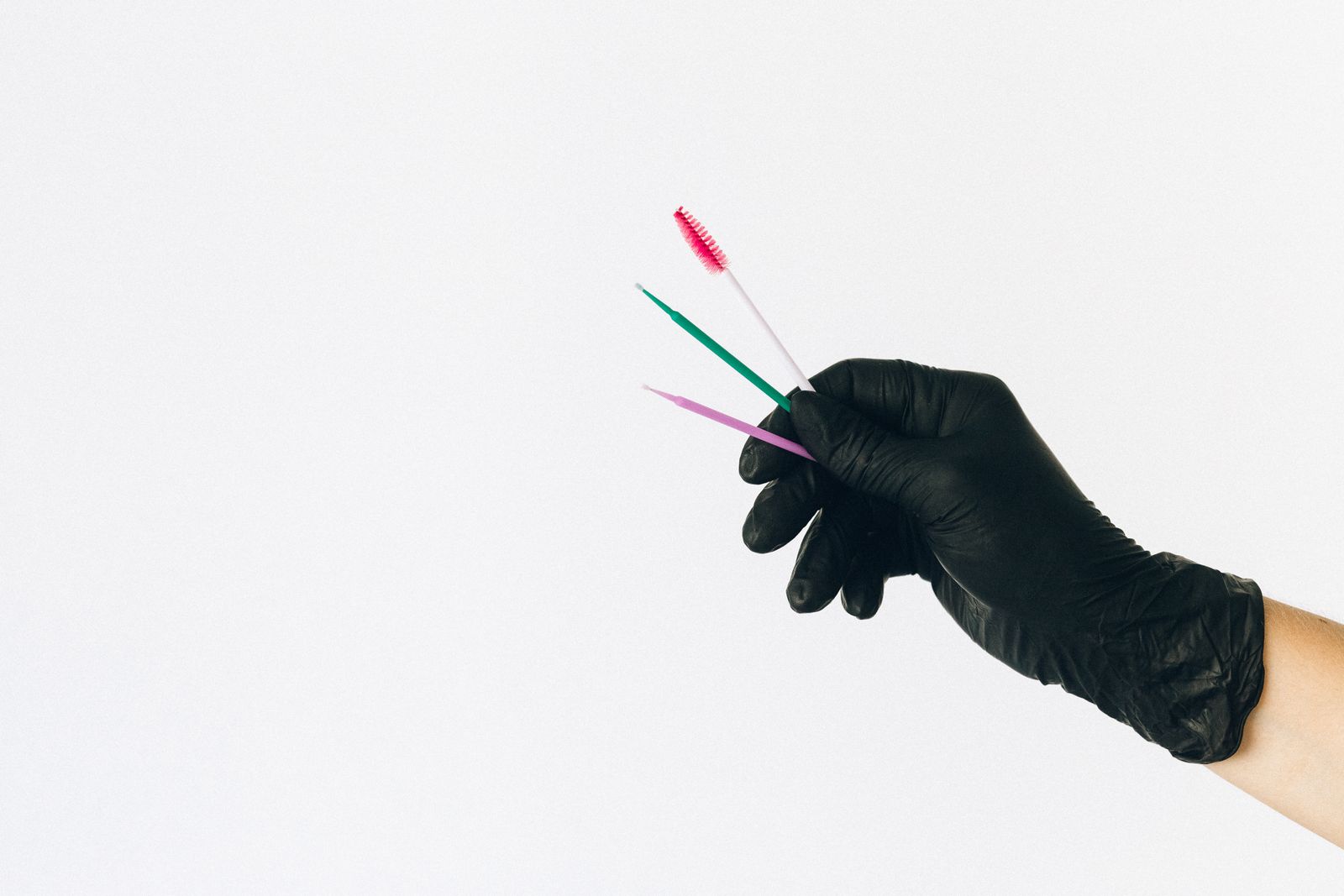
A spoolie ($3–$8) for brows and lashes. Most brushes sets include one; if yours does not, a $5 mascara wand cleaned with alcohol works.
That is seven. Everything else is a want, not a need. Contour brushes, fan brushes, liner brushes, kabuki, stippling brushes — all valid, none essential.
Brand tiers, from drugstore to prestige
There is no relationship between price and performance past a certain threshold. The $9 Real Techniques set outperforms some $80 sets on softness and bristle retention. The middle of the market is where the value lives.
The drugstore tier ($8–$20 per brush): Real Techniques, EcoTools, e.l.f., IT Cosmetics, Morphe. Real Techniques Core Collection ($30 for four brushes) is the textbook starter. Morphe and BH Cosmetics have improved in the last three years after a rough patch, but check reviews on shedding before committing to a full set. e.l.f. makes a $10 eye set that competes with prestige brands on softness.
The mid tier ($25–$50 per brush): Sigma Beauty, BK Beauty, Zoeva, Real Techniques Bold Metals. This is the sweet spot for daily users. Sigma F80 Flat Kabuki ($30) is one of the most-recommended foundation brushes among working makeup artists. BK Beauty brushes are made by the same manufacturer that produces several prestige labels, with cleaner ethics and lower markup.
The prestige tier ($50–$150 per brush): MAC, Bobbi Brown, Sephora Pro, Hourglass, Chanel. Performance is real on the best of these, especially MAC 217 ($30) for blending and the Bobbi Brown blush brush ($44). Pricing reflects craftsmanship on the handles and ferrule, plus brand overhead. The performance gap between a $40 BK Beauty brush and a $90 MAC equivalent is, in most cases, smaller than the price gap suggests.
The luxury tier ($150+): Wayne Goss, Hakuhodo, Chikuhodo, Smith Cosmetics. Genuine craftsmanship, hand-bound brushes, often made with squirrel or goat hair. These are the brushes makeup artists collect. For most people, they are not necessary. If you reach for an eyeshadow brush twice a week, a $10 synthetic will perform within statistical noise of a $200 squirrel dome.
A pragmatic starter set costs roughly $80 to $120. Real Techniques Core Collection ($30) plus a $15–$20 eye brush set covers foundation, powder, blush, and eyes for under $60. Add a $10 spoolie and a $10 concealer brush and the full set is complete.
Brush shapes matched to the job
The same word can mean different brushes at different brands. Here is what each shape actually does.
Round and domed: deposits product in a focused area, blends edges. Good for powder, blush, single-shadow application.
Flat top: pushes product into skin. Best for foundation and buffing.
Tapered and fluffy: diffuses product in a wider area. Setting powder, bronzer, eye blending.
Angled: follows contours. Blush along cheekbones, brow product, nose contour, lip liner precision.
Flat and paddle: pack color. Eyeshadow lid color, gel liner, concealer precision.
Stippling (two layers of fibers): sheer out heavy formulas. Best for serum foundations and airbrushed finishes.
Fan: minimal product deposition. Best for sweeping away fallout. Not for actual application.
Kabuki: dense, short, often flat-topped. For buffing powder, bronzer, mineral foundation.
Knowing the geometry lets you read any brush set on the shelf, not just the ones from brands you already trust.
Cleaning routine
This is the part most people skip and the part that matters most for skin health. Foundation brushes collect oil, dead skin, and bacteria. Used daily, they need a weekly wash. Used weekly, they need a monthly wash. Eye brushes can go longer because they touch less surface area, but clean them at least every two weeks.
The routine. Run warm water over the bristles, point the brush downward (water above the ferrule dissolves the glue that holds the brush together), and work a fragrance-free brush cleanser or a $5 solid brush soap into a lather. Rinse until the water runs clear. Reshape the bristles, lay flat on a clean towel, and let dry overnight. Never stand a wet brush upright — water seeps into the ferrule and loosens the glue.
Deep-clean once a month with a tablespoon of olive oil mixed into the brush soap to cut through built-up product. Replace foundation brushes every 12 to 18 months if you use them daily; eye brushes can last three years with care. The bristle fall that signals replacement: more than a few hairs per use, splayed shape that no longer reshapes, or a persistent discoloration that does not wash out.
A quick hack for between deep-cleans: a $15 silicone brush cleaning mat fits over your palm and lifts out pigment in thirty seconds. Not a substitute for a proper wash, but a good reset for daily use.
The bottom line
Seven brushes cover most of makeup, and the right fiber for the formula matters more than the brand name on the handle. Build a starter set around a $30 Real Techniques foundation and powder pair, a $20 eye set, and a $10 spoolie; upgrade selectively as your routine clarifies what you actually use. Clean weekly, replace yearly, and keep natural fibers for powders and synthetics for creams. The collection grows with the routine — not the other way around.