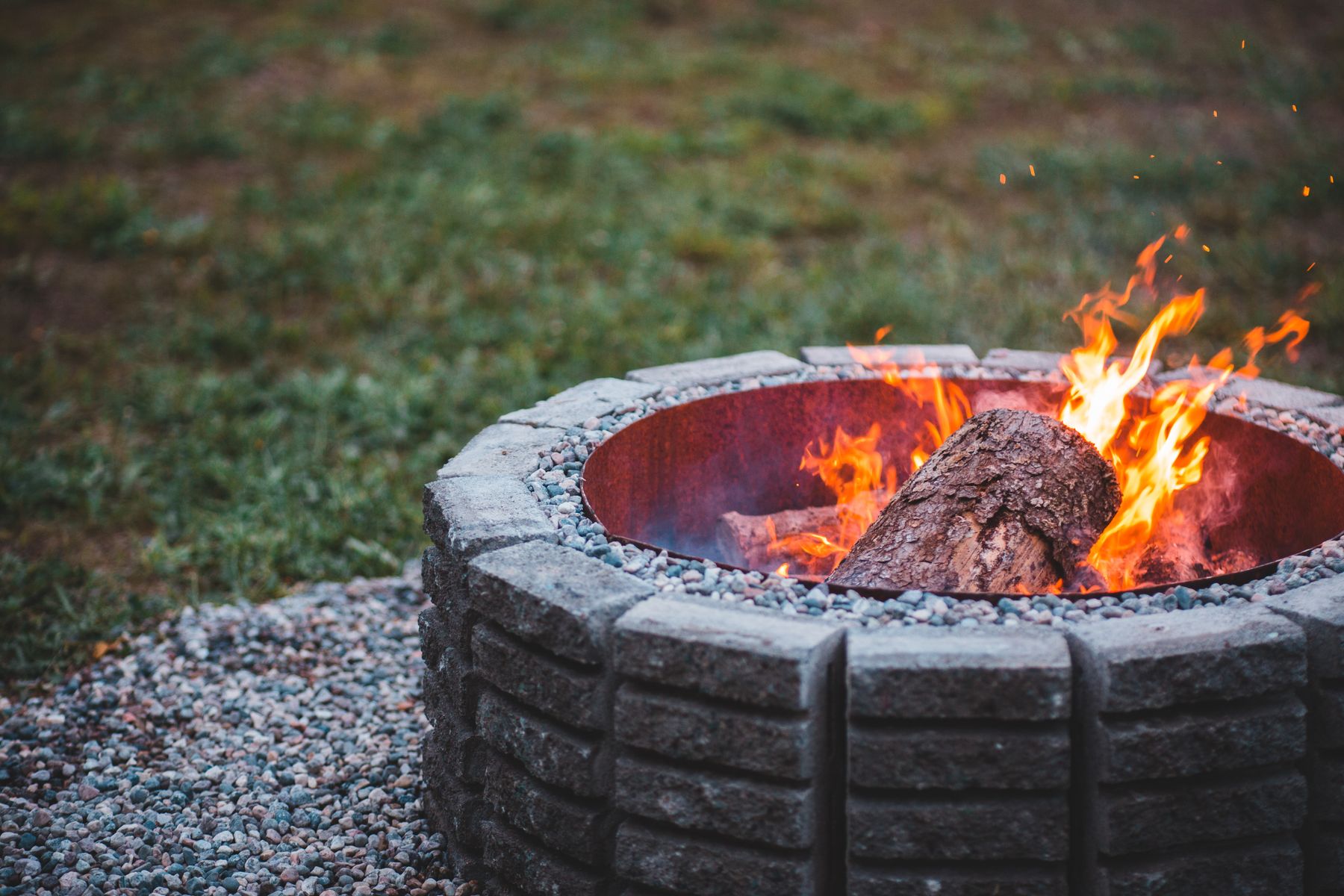
A backyard fire pit is one of those purchases that looks simple from the parking lot of Home Depot and turns complicated once you start reading spec sheets. Wood or gas? Steel, copper, or concrete? Permanent or portable? You can spend $90 on a basic steel bowl at Target or $4,500 on a custom masonry hearth with a gas line. The right answer depends on your patio surface, your local burn ordinances, and how much smoke your neighbors tolerate.
Wood-burning versus gas versus propane
These three fuel types are not interchangeable. Each shapes how you cook, clean, and live with the pit.
Wood-burning pits deliver the real campfire experience: crackle, sparks, smoke, and the smell of cedar. They burn hotter (1,200°F to 1,500°F in the active flame zone) than gas alternatives, which matters if you plan to cook over the fire. Drawbacks are real: ash to clean, kindling to buy, and a column of smoke that drifts toward whatever direction the wind chooses. In smoke-prone regions of California, Colorado, and the Pacific Northwest, many municipalities restrict wood fires on "no-burn" days when air quality drops.
Natural gas pits tie into a permanent gas line plumbed by a licensed technician. You flip a wall switch and have flame in under a second, with no lighter, no smoke, and no fuel to store. The catch is installation: a 20-foot gas line run plus a shutoff valve runs $400 to $800 in labor alone, and you cannot move the pit after install. Natural gas also produces about 30 percent less heat per BTU than wood, so the radiant warmth on a 50°F evening is real but mild.
Propane pits split the difference. They connect to a standard 20-pound propane tank (the same tank your gas grill uses) and ignite with the push of a button. You can move the pit around the patio and swap a spent tank at any gas station or hardware store. Most propane pits hide the tank inside the base; higher-end models vent it through a side door. A 20-pound tank provides roughly 8 to 12 hours of flame at medium setting, depending on BTU output.
For most homeowners, propane is the practical default. It gives you one-touch ignition, real flame, no permanent install, and a fuel source you already understand from your grill.
Materials: steel, cast iron, copper, concrete, and stone
The body of a fire pit takes the most abuse from heat and weather, so material choice matters more than finish color.
Cold-rolled steel is the workhorse of mid-range pits. A 1/4-inch steel bowl weighs 60 to 100 pounds and holds up well at fire temperatures; thinner steel (often called "heavy-gauge" in marketing copy) warps within a season. Solo Stove's Ranger, Bonfire, and Yukon series are 1/4-inch steel and have earned a strong reputation for the airflow design that makes them smoke-light. Expect $230 to $500 depending on size.
Corten steel is the same alloy but designed to develop a stable rust patina instead of flaking rust that stains your patio. The patina takes 6 to 9 months to fully form. Breeo's original fire pit line and the newer Cylinder series use Corten, as do many artisan-made bowls on Etsy from small American fabricators. Prices start around $400 and climb past $1,000 for larger diameters.
Cast iron holds heat longer than steel but is brittle if dropped and heavy to move. The Pleasant Hearth cast iron pit at Home Depot ($170 to $250) is a long-running budget favorite, though its weight makes it essentially a permanent fixture once placed.
Copper is gorgeous, expensive, and finicky. It develops a verdigris patina over time, which most buyers love and some do not. The Copper Marbella from Pb Elements runs $1,800 to $3,000. Copper conducts heat aggressively, so the bowl exterior gets hot to the touch within minutes of lighting.
Concrete and stone-composite pits look like masonry without the masonry cost. The West Elm Fire Ring ($1,500) and CB2's stoneware fire tables ($800 to $1,400) use lightweight concrete over a steel insert. They are heavy (90 to 180 pounds), do not conduct heat to the exterior, and develop a beautiful worn look over the years.
Safety clearances you should not negotiate
Most manufacturers print safety distances in the manual, and most buyers ignore them. A wood-burning pit radiates enough heat to scorch a wood fence within 4 feet and ignite dry leaves within 8 feet. The standard clearances we recommend:
- 36 inches minimum from any combustible structure (vinyl siding, wood fence, deck railing)
- 10 feet minimum from overhanging branches or an overhang roof
- 24 inches minimum from a glass patio door
- Never on a wood deck without a fireproof pad beneath. The Stand Pro Fire Pit Mat from The Stand ($90, 36×36 inches) and the DeckProtect pad ($200 to $300) are the two most common solutions for protecting composite decking like Trex from radiant heat.
For gas and propane pits, manufacturer clearances are tighter — usually 12 to 24 inches from combustibles — because there is no spark or floating ember. Still, a stone or composite patio surface is the right home for any fire pit. Setting one on grass invites the roots to dry up and die in a 4-foot ring.
A spark screen is required by fire code in many jurisdictions for wood-burning pits. Solo Stove and Breeo both sell snap-on screens for $40 to $60. A fitted lid on a gas pit doubles as a coffee table when the flame is off.
Brand picks across price tiers
Under $250: The Pleasant Hearth 26-inch wood-burning pit at Home Depot ($170) is the no-frills workhorse. The Outland Living Mega Fire Pit ($230) is propane-powered with a 58,000-BTU output and includes lava rocks. Best for renters and first-time buyers.
$250 to $500: The Solo Stove Bonfire 2.0 ($350) is the modern default. Smokeless airflow design, 1/4-inch steel, 19.5 pounds (you can move it). The TIKI Brand Stainless Steel Fire Pit ($300 at Lowe's) is similar in concept but uses a wood grate and traditional flame rather than the secondary combustion chamber. The Breeo X Series 24 ($480) is Corten steel and accepts accessories like a grilling grate and a heat deflector that makes it cook-safe.
$500 to $1,000: The Breeo Y Series 30 ($700) is a heavy-duty 30-inch pit with a larger firebox. The Hampton Bay Blackstone fire pit ($550) is propane with a wood-look resin top and includes a tank hideaway. The Solo Stove Yukon 2.0 ($700) is the 27-inch version with the same smokeless airflow.
$1,000 to $2,500: The Breeo Z Series smokeless fire pit ($1,200 to $1,800 depending on size) is the gold standard for serious wood-fire enthusiasts. The Real Flame Elm Ridge propane fire table ($1,600) converts the pit into a working coffee table with a hidden tank. The West Elm Fire Ring ($1,500) is concrete over steel and looks like a sculpture when not lit.
Above $2,500: Custom masonry hearths, full outdoor fireplaces with chimneys, and copper artisan pieces dominate this tier. The Copper Marbella ($2,200) and similar hand-hammered copper bowls are statement pieces for design-forward patios.
Accessories worth the spend
A few add-ons earn their keep:
- Spark screen. $40 to $60. Required in many municipalities for wood pits.
- Weather cover. $30 to $80. A fitted cover keeps rain out of the bowl and extends finish life by years.
- Heat deflector. $80 to $150. Breeo's fits inside the rim and drops surface temperature by 30 to 40 percent, which matters if you have kids.
- Grilling grate. $40 to $90. Turns a Solo Stove or Breeo into a small grill.
- Fire glass or lava rocks. $30 to $60 for a propane pit. Glass looks prettier; lava rocks radiate more heat.
- Log rack. $100 to $200. Keeps a stack of seasoned firewood off the patio and dry.
Permits and local rules
Many municipalities require no permit for a portable fire pit, but a permanent gas line or a masonry build does. In California, the California Air Resources Board publishes a "Check Before You Light" advisory on bad-air days. The Maricopa County Air Quality Department in Arizona issues similar burn restrictions. Before you buy, check your city fire code and your HOA rules. Some HOAs ban wood-burning pits entirely and require propane; some ban all open flames on combustible decks.
Insurance is the quieter concern. A fire that spreads to a neighbor's fence from an improperly placed pit is on the homeowner's policy. Review your liability coverage before lighting for the first time, and never leave a wood-burning pit unattended.
The bottom line
For most patios, a propane pit from Outland Living ($230) or a wood-burning Solo Stove Bonfire ($350) covers the use case without complications. Spend the extra $20 on a fireproof mat if you have a composite deck, and respect the manufacturer's clearance numbers — they exist because some homeowner before you ignored them and lit a fence.